
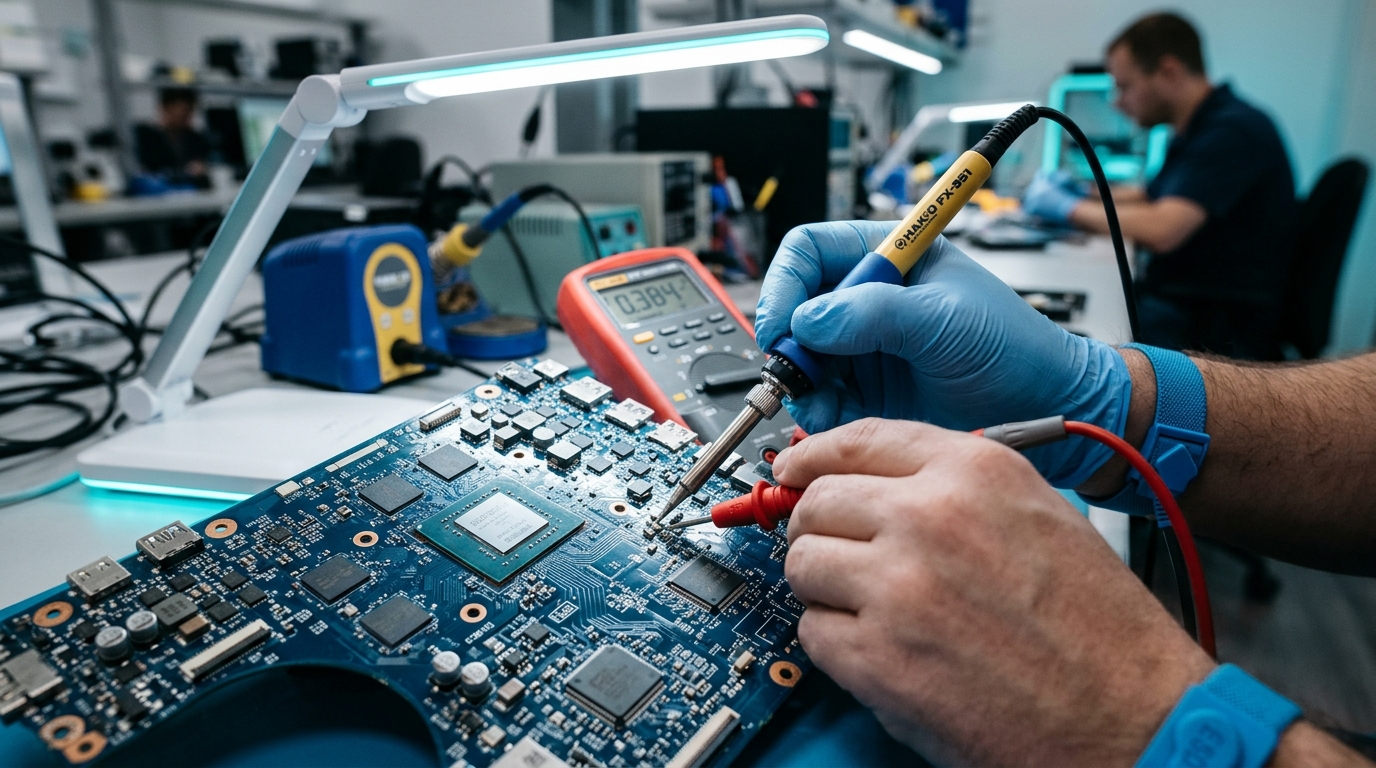
 01 / GUIDE
PC & Laptop
Check power issues, data privacy, and repair options before approving expensive hardware replacements.
Read guideClear, independent guides to help you understand common appliance issues, compare repair options, and choose a local technician with greater confidence.
Explore repair guides
Browse practical, device-specific information before choosing a repair service. Understand the questions worth asking and the options worth comparing.
01 / GUIDECheck power issues, data privacy, and repair options before approving expensive hardware replacements.
Read guide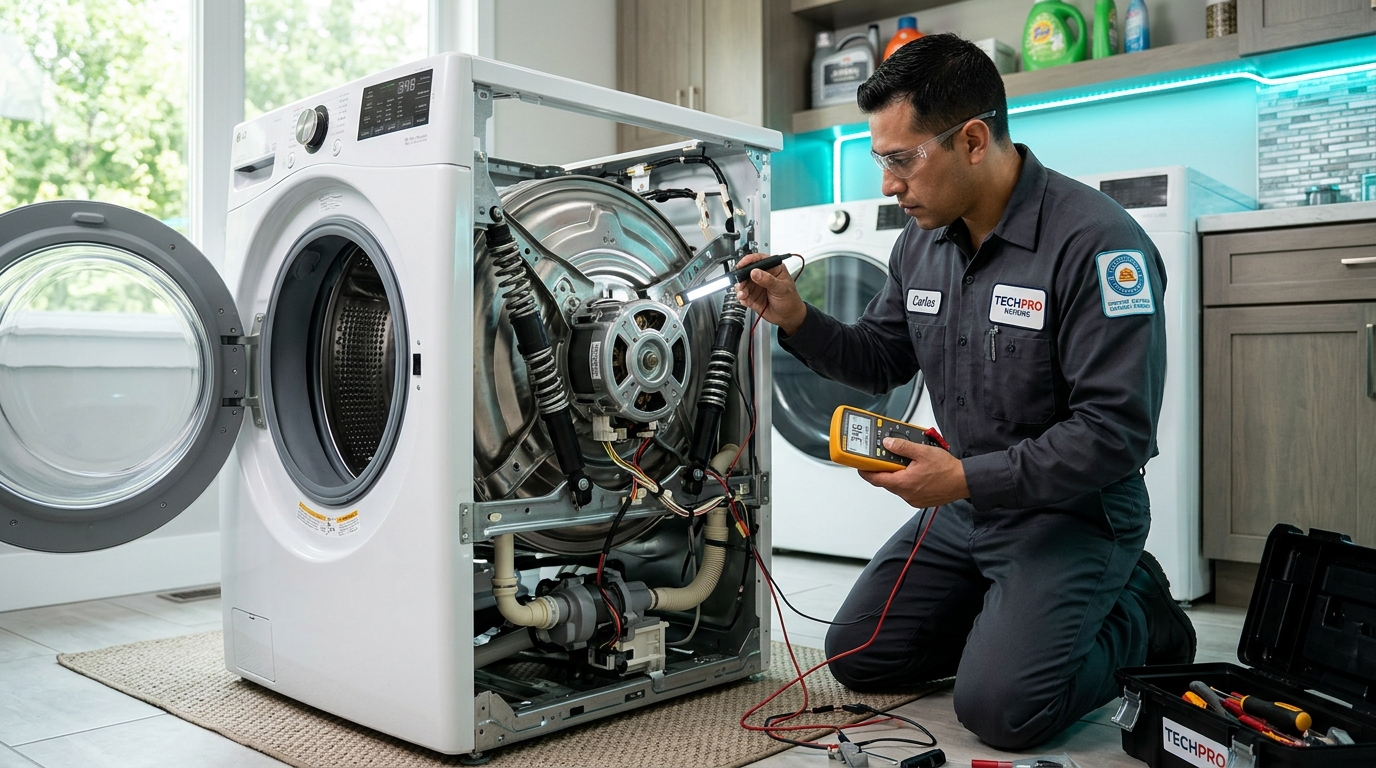 02 / GUIDE
Learn how to discuss error codes, pumps, drum faults, and on-site inspection with a technician.
Read guide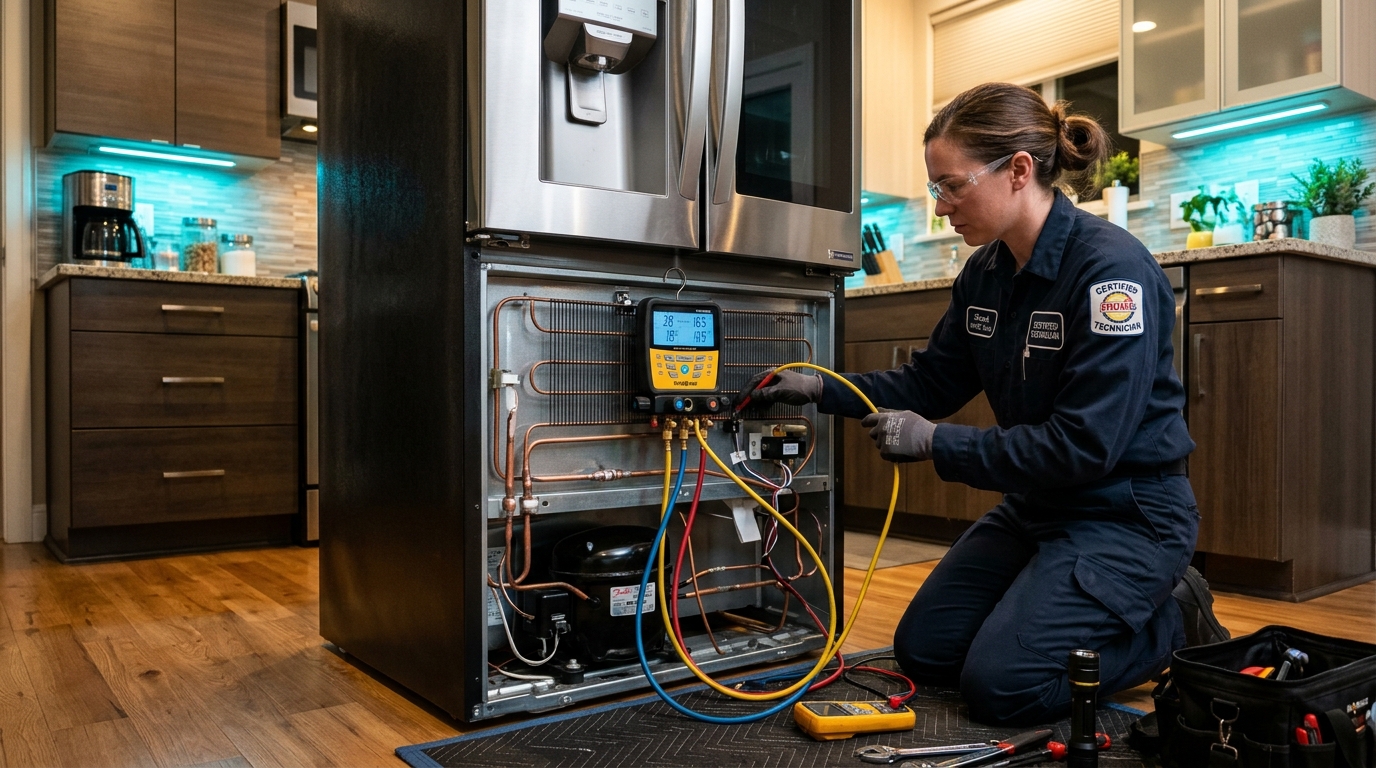 03 / GUIDE
Understand cooling symptoms, compressor checks, and why leak testing matters before a gas recharge.
Read guide 04 / GUIDE
Learn the difference between backlight, panel, and power-board problems before accepting a quote.
Read guideCheck off these 5 mandatory rules while speaking to the technician on the phone. Review common warning signs before you decide whether to proceed with a repair.
"Hi, before scheduling: If I approve the repair, is your visiting fee 100% credited into the repair bill, and do you issue an itemized receipt with a minimum 60-day written warranty on both parts and labor?"
"Gas finishes every 2 years."
Truth: Refrigerant is a sealed loop. Ask for evidence of the leak and a documented repair plan before recharge.
"Must carry board to lab."
Truth: Document serial numbers and agree on handling and return terms before handing over a board.
"Motor burned, replace compressor."
Truth: Clicking has several possible causes; ask for starter-device and compressor tests.
"Genuine OEM spare part."
Truth: Ask to verify part provenance, condition, and warranty.
"Board dead, full swap needed."
Truth: Component-level repair may be possible after a qualified diagnosis.
Select your appliance and reported symptom below to review verified engineering root causes, non-destructive test steps, and verified repair guide protocols.
Basic power cycles, drain filter clearing, sensor checks, and error code decryption. Some basic faults can be resolved at this stage.
Direct plug-and-play swaps: water inlet valves, PTC starter relays, door interlocks, drain pumps, and LED strips.
Precision component repair: isolating shorted MOSFETs, swollen capacitors, or power IC rework without discarding boards.
Compressor brazing, washer drum spider bearing press, or panel bonding. High complexity repairs.
Unbiased engineering rules so you never pay for fake spare parts or unnecessary workshop transport.
Lock maximum estimate before any screwdriver touches the chassis.
Unbox new OEM parts in front of you & keep the old replaced part.
Demand a 15-minute live load test before releasing final payment.
We do not take commissions from technicians. Our guides provide general educational information, not an individual diagnosis.
If an appliance requires replacing multiple exhausted core subsystems, purchasing a modern replacement is more economical. Running costs, condition and repair cost vary by appliance and model.
This is why obtaining a printed warranty invoice is non-negotiable. Reputable local technicians will honor their 30 to 90-day guarantee by replacing the defective spare part and re-servicing free of charge.
Micro-soldering, SMD hot-air rework, and oscilloscope tests require bench tools. However, before releasing any board, photograph serial numbers, barcode stickers, and markings clearly on your smartphone.
Ask the technician to unbox the replacement part in your presence. Original OEM parts feature printed manufacturer barcodes, holographic security stickers, and stamped part numbers rather than generic unlabelled plastic bags.
Yes, a nominal visiting fee covers technician travel and preliminary diagnosis. However, always establish on your initial phone call that this charge is 100% credited into your labor bill if you approve the fix.
Never approve surprise repair escalations under pressure. You have the right to ask them to reassemble the appliance, pay only the agreed diagnostic check fee, and consult a second technician.
Prioritize workshops with an established physical shop and signboard in your local market over temporary ads or unverified phone numbers. Check physical printed invoice stationery and local Google business reviews.
Washing machine drain pump/inlet valve swaps, refrigerator gas brazing, thermostat changes, and TV power cord or wall mounting fixes can almost always be completed in under 45 minutes on-site without transporting.